
Most organisations believe trust is earned through the quality of their work. That belief, however reasonable it sounds, is costing them more than they realise.
There is a distinction that most businesses never quite make, and it is the distinction that separates the brands that are respected from the brands that are sought after.
Respected brands are acknowledged. Sought-after brands are chosen, at premium, before the conversation about credentials even begins.
The difference is trust. Not the trust that accumulates slowly through years of reliable work. The trust that arrives before the work starts. The trust that a well-positioned brand creates at first contact.
This kind of trust is not accidental. It is built deliberately. And most organisations have no idea it is even within their control.
Trust is not a byproduct of good work. It is a precondition for being given the opportunity to do it.
The Misconception That Costs Businesses the Most
The conventional thinking goes like this: deliver excellent work, and trust will follow. Accumulate enough satisfied clients, enough positive referrals, enough years of consistent performance, and eventually your reputation will do the positioning work for you.
This is not wrong exactly. It is dangerously incomplete.
The problem is that reputation is retrospective. It tells a prospective client what others have experienced. Brand trust is prospective. It tells that same client what they can expect before a single interaction has taken place. In a world where decisions are made faster than ever and first impressions form in milliseconds, the brand that communicates trust before the meeting is the brand that gets the meeting.
Reputation is what you have earned. Brand trust is what you project. Both matter. But only one of them is within your active control right now.
Why Trust Works Differently at the Premium End of the Market
High-value clients, whether they are high-net-worth individuals, senior decision-makers at established institutions, or partners at professional firms, do not evaluate trust the way a general consumer does.
A general consumer extends trust incrementally, through repeated small transactions that confirm expectations over time. A high-value client makes a different calculation. The stakes are higher, the relationships longer, and the consequences of a poor choice more significant. They cannot afford to learn through trial and error. So they look for signals before they engage.
Those signals are almost entirely brand signals. The quality of your visual identity. The precision of your language. The coherence between what you say you are and what every touchpoint of your business actually communicates. The calibre of the clients you are willing to name. The way your digital presence handles the question every discerning buyer is silently asking: does this organisation belong in the room I am inviting them into?
This is why a luxury brand or a professional services firm or a public institution with genuine expertise can still struggle to attract the calibre of clients or partners it deserves. The expertise is real. The track record is solid. But the brand signals do not yet confirm what the organisation knows itself to be.
The expertise is real. The track record is solid. But the brand signals do not yet confirm what the organisation knows itself to be.
How Trust Is Actually Built Through Brand
Deliberate brand trust is built through four compounding mechanisms. None of them are complicated. All of them require consistency.
1. Coherence across every touchpoint
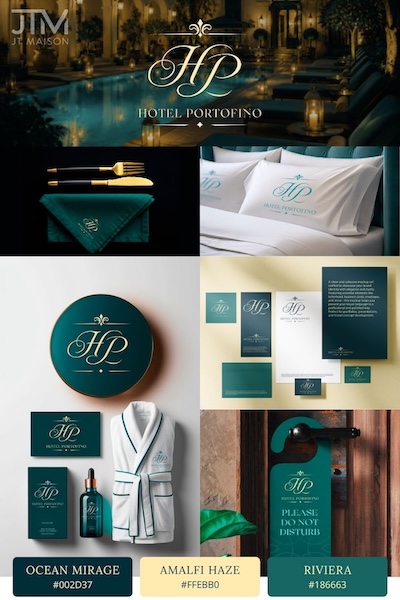
Trust erodes when something does not quite add up. A beautifully designed website paired with a poorly formatted proposal. A confident public voice paired with a hesitant onboarding process. A premium price paired with a visual identity that signals otherwise.
The discerning client does not consciously identify the inconsistency. They simply feel that something is off. And something feels off is the exact opposite of the sensation you need to create before someone commits to working with you.
2. Clarity of position
Brands that try to appeal to everyone communicate a specific thing to discerning buyers: that this organisation has not yet made a decision about who it is for. Indecision at the positioning level reads as indecision at the organisational level.
The brands that command the highest trust among high-value audiences are the ones that have made a clear, visible choice. They know exactly who they serve, what problem they solve, and why that matters. That precision is itself a trust signal. It says: this organisation has done the thinking.
3. Visible values, not stated ones
Every brand claims to value integrity, excellence, and client focus. These words appear on About pages and mission statements in almost identical form across every sector and category. They generate zero trust because they cost nothing to say.
The brands that build genuine trust demonstrate their values through the choices they make, not the words they use. Which clients they take on and which they do not. What they are willing to say publicly and what they choose not to. How they handle the difficult moments: the rebrand that did not go as planned, the client relationship that needed an honest conversation, the work they turned down because it was not the right fit.
4. Consistency over time
Brand trust is not built in campaigns. It is built in the accumulation of consistent impressions across every interaction, every piece of content, every client experience, and every public moment over an extended period.
Research consistently shows that consistent brand presentation is associated with revenue increases of up to 33 percent. The mechanism is not complicated: consistency reduces cognitive friction. When a client or partner encounters your brand repeatedly and it always feels the same, always communicates the same values, always delivers the same quality of experience, the mental work of evaluating you decreases. That reduced friction is trust.
This Is Not Exclusive to Commercial Brands
The principles above apply with equal force to any organisation that needs to earn the confidence of a discerning audience before it can do its best work.
A luxury brand needs a prospective client to trust that the experience will justify the price before they have spent a penny. A professional services firm needs a potential client to trust their judgement before a single brief has been shared. A public institution needs its audience to trust its intentions and competence before it asks for anything in return.
The category changes. The human psychology does not. People extend trust to organisations that appear to know what they are, appear to mean what they say, and appear to have something genuine at stake in the relationship.
Brand is the mechanism through which those appearances are made consistent, intentional, and legible.
What to Do With This
Start with an honest audit of your current brand signals. Not your intentions, not your values as you experience them internally, but the signals your brand is actually sending to someone who encounters it for the first time with no prior knowledge of your work.
Ask: does our visual identity communicate the level of expertise we actually possess? Does our language position us with clarity or with hedging? Does every touchpoint, from the first email to the final deliverable, tell a coherent story about who we are and what we stand for?
If the answer to any of those questions is uncertain, the trust gap is real. And it is costing you the clients, the partners, and the opportunities that should already be yours.
The trust gap is not always visible from the inside. It is always visible from the outside.
JT Maison builds brand identities grounded in strategy, psychology, and the kind of precision that high-value audiences notice. If your organisation is ready to close the gap between the trust you have earned and the trust your brand is communicating, explore the full JT Maison journal or get in touch directly here.
Related reading: How to Tell a Brand Story That Attracts High-End Clients | What London Fashion Week Reveals About How Brands Are Really Perceived | What is a Brand Standard and Why Does Your Business Need One