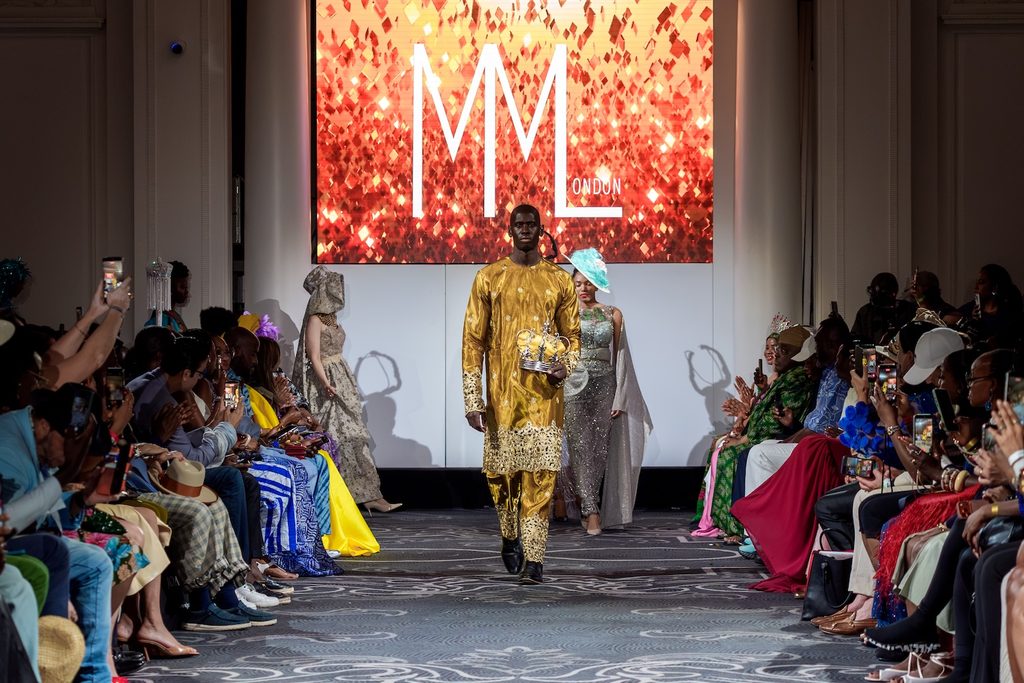
The designers who break through at London Fashion Week are rarely the ones with the biggest budgets. They are the ones who have made the sharpest decisions about who they are.
London Fashion Week has never been a level playing field. Established houses arrive with decades of press relationships, front-row loyalty, and production budgets that emerging designers simply cannot match. That imbalance is real, and pretending otherwise is unhelpful.
But here is what the past decade of LFW has repeatedly shown: the designers who generate the most conversation, the most press, and the most commercial traction after the event are not always the ones who spent the most. They are the ones who arrived with the clearest brand.
That clarity is not accidental. It is strategy.
You do not need the biggest budget to command the most attention. You need the sharpest positioning.
Why Emerging Designers Have a Strategic Advantage
Established houses carry the weight of their own history. Every creative decision is filtered through decades of brand equity, consumer expectation, and commercial obligation. An emerging designer has none of that baggage. The brand is still being written, which means every choice, from the show venue to the casting to the post-show content, can be made with intention rather than precedent.
This is a genuine strategic advantage, but only if it is used deliberately. Without a clear brand strategy, the same freedom becomes noise. The designer who tries to signal everything at once, heritage and disruption, accessibility and exclusivity, commercial viability and artistic purity, ends up communicating nothing at all.
The ones who break through make a single, clear choice about what their brand stands for and then let every decision during fashion week reinforce it.
What the Breakout Designers Actually Do Differently
1. They define the category before someone else does.
The designers who generate lasting traction from LFW are the ones who arrive having already named what they do in a way that sticks. Not ‘womenswear’ or ‘contemporary fashion,’ but a specific position that a journalist can put into a headline without thinking. When the category is clear, the coverage writes itself. When it is vague, the designer is at the mercy of whatever narrative the press decides to assign.
2. They treat the show as one chapter, not the whole story.
The runway is a single moment. The brand impression is built across weeks: the pre-show content, the invitation design, the social strategy during the event, the follow-up with buyers and press, the way the collection is presented online after the show. The designers who understand this allocate their time and budget across the full arc, not just the fifteen minutes on the runway.
3. They build relationships before they need coverage.
Press relationships are not transactional. The emerging designers who receive the strongest coverage are typically the ones who began building those relationships months or even years before their first show. They invited editors to studio visits. They shared their process, not just their product. By the time they showed at LFW, the press already understood the brand well enough to write about it with conviction.
4. They invest in brand assets, not just collection assets.
A collection is seasonal. A brand identity is permanent. The emerging designers who sustain momentum after LFW are the ones who invested in a visual identity, a messaging framework, and a digital presence that outlasts any single collection. The show gets them noticed. The brand keeps them relevant.
The show gets them noticed. The brand keeps them relevant.
What This Means Beyond Fashion
Every founder preparing for a high-visibility moment faces the same challenge these designers face: how to command attention in a crowded room with limited resources. The answer is the same whether the room is a fashion week venue, a pitch meeting, or a product launch.
Define your position with precision. Control your narrative before someone else writes it for you. And invest in the brand that will still be working long after the event is over.
→ Tell Us About Your Project